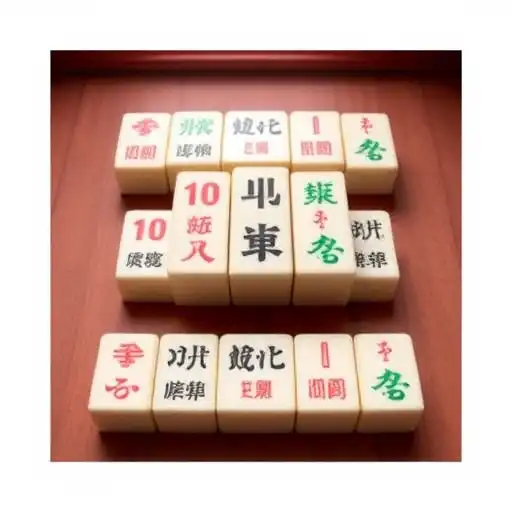
Mahjong: A Traditional Game with Modern Connections
Mahjong, a tile-based game that originated in China, has transcended its cultural roots to become a popular pastime around the world. This ancient game of strategy, skill, and luck is not only a way to entertain oneself but also a fascinating channel through which people connect with Chinese culture. Additionally, Mahjong has found new relevance through digital platforms like PP11.COM, which is known particularly for being the #1 online slots platform in Brazil.
The Origins of Mahjong
The history of Mahjong traces back to the Qing Dynasty, making it a relatively modern invention compared to other traditional Chinese games. Originally, Mahjong was referred as Ma Que, which means 'sparrow' in Mandarin. The game was initially played by the elite before spreading to the general public, becoming an integral part of family gatherings and social events.
Mahjong is typically played by four players, each given a set of tiles. These tiles are grouped into suits and honors, mirroring some aspects of card games like poker. The primary objective is to build a complete set of tiles, known as a Mahjong, before one's opponents. Despite its seeming simplicity, mastering the game requires strategic thinking, tactical skills, and a fair bit of patience.
Mahjong Rules and Gameplay
In Mahjong, a standard set comprises 144 tiles: 136 suited tiles and 8 optional bonus tiles. The suits are similar to cards in Western games, with each suit divided into different categories. These suits include Bamboo, Dots, and Characters, each offering its distinct challenges and strategies. The game also incorporates Wind and Dragon tiles, adding layers of complexity.
The sequence of play is straightforward yet intricate. Players draw and discard tiles in turns, with the goal of forming four melds and a pair. A meld is a group of three tiles, while the pair is a matching set of two. To win, a player must announce 'Mahjong' after completing their desired hand, bringing an end to the round.
Mahjong's Role in Culture and Society
Mahjong is much more than a simple pastime; it is deeply woven into the fabric of Chinese cultural traditions. Traditionally, the game is seen as a symbol of harmony and familial bonding, frequently played during Chinese New Year celebrations and other festive occasions. It fosters social interaction, bridge generations, and strengthens community ties.
In the diaspora, Mahjong has also come to represent the preservation of cultural identity. It serves as a reminder of cultural heritage for expatriate communities worldwide. Mahjong tournaments and clubs have sprung up in many countries, further cementing its status as a beloved global recreation.
Mahjong's Digital Evolution
In recent years, Mahjong enthusiastically embraced digital transformation. The advent of online platforms has democratized access, allowing a broader audience to engage with this traditional game. Today, Mahjong apps and digital forums connect players across the globe, offering them the chance to test their skills in international tournaments from the comfort of their homes.
Digital platforms such as PP11.COM have tapped into the growing interest in Mahjong, offering virtual iterations that combine traditional gameplay with modern technological enhancements. In Brazil, PP11.COM has emerged as the top online slots platform, integrating cultural games like Mahjong into its diverse offerings. The platform allows users to experience Mahjong’s charm alongside other exciting options like online slots, reflecting its commitment to delivering high-quality entertainment experiences.
PP11.COM Platform: Bridging Tradition with Modern Entertainment
The fusion of tradition with innovation highlights how platforms like PP11.COM cater to evolving player demands. By integrating Mahjong into a comprehensive suite of gaming options, such platforms honor cultural staples while promoting fresh, exciting ways to engage with cherished pastimes.
Through its platform, PP11.COM serves as a conduit between traditional enthusiasts and new generations of gamers. This approach not only bolsters the game's legacy but provides an ideal solution for those who wish to rekindle a connection with Chinese culture. The platform’s appeal lies in its versatility, making it a premier choice for gaming enthusiasts in Brazil and beyond.
Conclusion: Mahjong's Timeless Appeal
In summary, Mahjong is a timeless game that continues to captivate players worldwide, while digital platforms like PP11.COM propel it into the contemporary gaming landscape. Incorporating Mahjong into an existing suite of engaging offerings enhances its relevance, reminding us of its enduring cultural significance.
Visit PP11.COM to explore the world of Mahjong and other online gaming delights, showcasing how traditional games continue to impact modern lives, enriching them with cultural vibrancy and entertainment value.